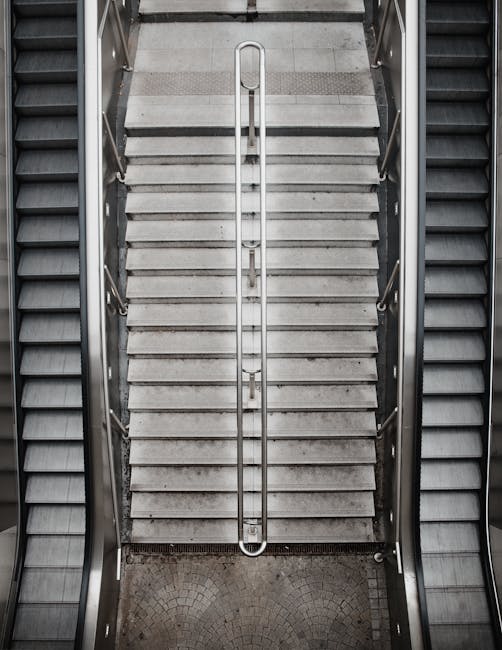
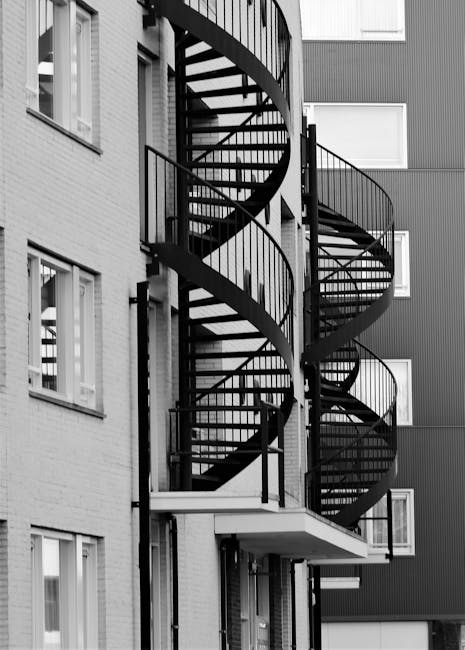
Access problems for flat cleaning Islington staircases and lifts
Flat cleaning in Islington sounds straightforward until you meet the real-life bits: a narrow staircase, a lift that is tiny or out of service, awkward fob access, or a hallway that is already busy with neighbours, parcels, and pushchairs. Access problems for flat cleaning Islington staircases and lifts can turn a simple clean into a logistics job if nobody plans ahead. The good news is that most access issues are manageable with the right questions, the right timing, and a sensible workflow. This guide explains what usually goes wrong, how cleaning teams work around it, and what you can do to make everything smoother from start to finish.
If you live in a mansion block, a converted house, a modern apartment building, or a managed development, you will know the feeling: one blocked corridor and the whole day shifts. That is exactly why access planning matters. It protects your schedule, reduces disruption, and helps cleaners work safely and properly. And yes, it saves a lot of back-and-forth messages too.
Table of Contents
- Why access problems matter
- How the cleaning process works around staircases and lifts
- Key benefits and practical advantages
- Who this is for and when it makes sense
- Step-by-step guidance
- Expert tips for better results
- Common mistakes to avoid
- Tools, resources and recommendations
- Law, compliance, standards and best practice
- Options, methods and comparison
- Case study or real-world example
- Practical checklist
- Conclusion
- Frequently Asked Questions
Why access problems for flat cleaning Islington staircases and lifts matters
Access is not just a convenience issue. It shapes how long the job takes, what equipment can be used, how safely cleaners can move, and whether the final result is as thorough as it should be. In a flat, the route in often matters almost as much as the cleaning itself.
Staircases can be tight, steep, or shared. Lifts can be slow, small, or unavailable when a building is busy. Sometimes the lift is there, but the key is not. Sometimes the building manager has rules about moving equipment through communal areas. These are normal realities, not unusual problems. But if they are ignored, the clean can become messy in a very different way.
For residents, access issues can lead to delays, missed time slots, extra noise, and frustration. For cleaners, they can mean carrying equipment upstairs by hand, setting up in cramped spaces, or working around a lot of foot traffic. That affects efficiency and sometimes the quality of the clean. Nobody wants a rushed job because the trolley could not fit through a narrow landing.
There is also a trust element. A cleaning company that asks the right access questions upfront is showing that it understands real buildings, not just ideal ones. That matters if you are booking domestic cleaning, a deep cleaning visit, or a one-off refresh before guests, a tenancy changeover, or a busy week at home.
How access problems for flat cleaning Islington staircases and lifts works
Good flat cleaning is part cleaning, part planning. Before anyone arrives, the access route should be understood clearly: front entrance, intercom, lift dimensions, stair width, floor number, parking or unloading options, and any building rules. That sounds a bit dull, but it saves a lot of headache later.
Here is the basic flow most professional cleaners follow:
- Pre-visit access check. The booking should capture how to enter the building, where to park or stop briefly, whether a lift is available, and whether there are any restrictions on equipment.
- Equipment selection. If the staircase is tight or the lift is small, lighter equipment, modular tools, and compact vacuum systems may be chosen instead of bulky kit.
- Arrival and sign-in. In many blocks, cleaners need to ring a flat, use a key safe, collect a fob, or wait for someone to open the main door. That needs timing.
- Route management. Protecting walls, corners, and flooring in communal areas becomes important when a building is narrow or busy.
- Cleaning sequence. Teams usually work from cleaner to dirtier zones, so repeated trips up and down stairs are kept to a minimum.
- Exit and handover. Good access planning includes leaving common areas tidy, locking up properly, and checking nothing has been left behind.
In practical terms, access problems change the order of work. If a lift is out of action, a team may start with rooms closest to entry points or split the work into sections. If a staircase is very narrow, cleaners may carry in only essential materials and make more trips. That is not glamorous, but it is sensible.
A small but important point: access planning should also consider the type of clean. A routine tidy is very different from end of tenancy cleaning or one-off cleaning, where more tools, more supplies, and more time are often needed.
Key benefits and practical advantages
When access is handled properly, the difference is obvious. The work starts on time, the cleaner is not exhausted before they begin, and your building is less likely to feel disrupted. Simple, but effective.
- Better cleaning quality. Cleaners can focus on surfaces rather than wrestling with logistics.
- Faster completion. Less time is lost carrying kit up stairs or waiting for lift access.
- Lower risk of damage. Walls, banisters, doors, and flooring are less likely to get scuffed.
- Reduced stress. You are less likely to deal with last-minute messages or rescheduling.
- Improved safety. Clear routes and sensible handling reduce the chance of slips, trips, and strain.
- More predictable pricing. When access is clear, quotes are usually easier to assess honestly.
There is also a human benefit that gets overlooked. In a shared building, people notice when visitors move carefully, communicate well, and respect the space. That is especially true in Islington, where flats can be compact and communal areas can feel busy at the best of times.
Expert summary: The smoother the access, the more time and energy a cleaner can put into actual cleaning. Staircases and lifts are not just entry points; they are part of the job design.
Who this is for and when it makes sense
This topic matters to more people than you might think. It is not only for landlords or building managers. It is for anyone booking a clean in a flat where the route in is awkward, shared, restricted, or unpredictable.
You will find this especially useful if you are:
- living in a top-floor flat with no lift
- managing a block with narrow shared staircases
- moving out and need a proper end-of-tenancy clean
- preparing a rental flat for new occupants
- booking cleaning for elderly relatives or busy family households
- organising cleaning in a converted property with split-level access
- running a short-term let or guest property where timing is tight
- booking a regular service for a home that has repeated access challenges
It also makes sense if your building has older architecture. Islington has plenty of period conversions and mansion blocks where staircases can be elegant, but not exactly practical for large equipment. Let's face it, a grand old staircase can look lovely and still be a nuisance when you are carrying a vacuum upstairs.
If your flat includes delicate flooring, carpeted landings, or shared entrances, access planning becomes even more valuable. It is not just about getting in; it is about getting in without making the place feel battered.
Step-by-step guidance
Here is a practical way to handle access problems before cleaning day. It is simple, but it works.
- Confirm the exact access route. Ask which entrance should be used, whether a lift is available, and whether there are any code, key, or fob requirements.
- Measure the obstacles. If possible, note staircase width, lift size, and any tight turns or low ceilings. A compact lift can be fine for people, not always for kit.
- Share building rules early. Some developments have restrictions on parking, noise, or moving items through communal areas. Mention them before the visit.
- Choose a sensible time slot. Off-peak periods often work better if corridors are busy or lift access is shared.
- Clear the path in advance. Move shoes, parcels, prams, or anything else that might get in the way. It sounds minor, but it saves time.
- Agree on how entry will happen. Someone meeting the cleaner, a concierge handover, or a lockbox arrangement should be confirmed clearly.
- Prepare for the weather. Rainy days in London mean wet shoes, slippery steps, and more dirt on shared floors. It is the little things.
- Walk through the exit plan too. Where should equipment be taken out? Who locks up? What if the lift is unavailable on the way down?
If you are a resident arranging a service, keep the instructions short and specific. "Use side entrance, ring flat 4, lift is opposite the post boxes, fob needed for return" is better than a long paragraph that buries the useful bit.
For home cleaning support, this preparation is often enough. For larger or more involved jobs, especially where multiple rooms or deeper attention is needed, a cleaning company may ask for more detail before confirming the appointment. Fair enough, really.
Expert tips for better results
After enough building access headaches, you start to see the patterns. A few practical habits make a disproportionate difference.
- Keep the first message practical. Mention stairs, lift access, entry method, and any time restrictions right away.
- Send photos if needed. A quick image of a narrow landing or a small lift interior can be more helpful than a long description.
- Ask about equipment footprint. Some jobs need larger machines, especially if you want carpet cleaning or upholstery cleaning alongside the flat clean.
- Leave enough lead time. If a building manager must approve access or arrange a fob, don't leave it to the morning of the clean.
- Protect communal spaces. A cleaner who uses door stoppers, clean sheets, or careful carrying methods is usually thinking ahead.
- Be honest about the lift. If the lift is "working except when it isn't," say so. That kind of thing happens more than people admit.
One useful habit is to think like a cleaner for two minutes before booking. Ask yourself: would I be able to carry a bucket, vacuum, and supplies through this route without blocking the hall? If the answer is "maybe not," then the booking needs more detail. That one tiny check can prevent a lot of awkwardness.
It also helps to keep access messages in one place. A messy chain of texts, calls, and notes on the fridge can work... until it really doesn't.
Common mistakes to avoid
Most access problems come from assumptions, not malice. The flat is easy to reach for residents, so people assume it will be easy for cleaning equipment too. Often it is not.
- Assuming the lift will be free. Shared buildings can be busy, and waiting for access eats time.
- Forgetting to mention stairs. "It's on the third floor" can mean a gentle climb or a steep, narrow one.
- Not warning about small doorways or turns. Tight corners matter when carrying kit.
- Leaving the cleaner to figure it out on arrival. That creates delays and pressure.
- Booking a standard slot for a complicated access route. Sometimes a little extra time is needed, plain and simple.
- Ignoring communal etiquette. In a shared building, noise, mess, and blocked hallways can annoy neighbours fast.
Another common mistake is treating access like an afterthought because the actual clean is the "important part." In reality, the two are linked. A smooth route allows a proper clean. A poor route can mean rushed work, missed spots, and a tired cleaner who has spent half the morning hauling equipment.
Truth be told, access problems are usually easiest to solve before anyone arrives. After that, every fix takes longer.
Tools, resources and recommendations
You do not need specialist kit to manage most flat access issues, but the right simple tools help.
- Access notes. Keep a clear written note of door codes, fob instructions, and floor numbers.
- Site photos. A phone photo of the lift interior, staircase turn, or entrance can prevent misunderstandings.
- Protective covers or pads. These help reduce scuffs when equipment moves through narrow corridors.
- Compact cleaning equipment. Smaller vacuums, portable tools, and lighter kits are often better for flats than oversized machines.
- Time buffer. A small buffer between appointments is useful when access is uncertain.
- Clear communication channel. Decide whether updates happen by phone, text, or through a concierge. Just one route, ideally.
If the job includes specialist surfaces, it can be smart to combine services on the same visit where practical. For example, after access is arranged, some customers also request hard floor cleaning, oven cleaning, or window cleaning while the cleaner is already in the property. That is efficient, provided the route in and out is realistic.
For larger resets, especially after building work or a move, access planning can also sit alongside after builders cleaning. Dust, bagged waste, and extra tools make a narrow staircase feel even narrower, so good preparation is non-negotiable.
Law, compliance, standards and best practice
When access is difficult, safety and good practice matter more, not less. In the UK, cleaning work is expected to be carried out with appropriate care for people, property, and shared spaces. That means sensible risk assessment, safe lifting, clear communication, and respecting building access rules.
You do not need legal jargon for most day-to-day jobs, but the practical principles are clear:
- Do not block escape routes. Shared stairwells and corridors should remain usable.
- Handle equipment safely. Carrying heavy items on stairs should be managed carefully to reduce strain or drops.
- Respect building permissions. If a concierge or building manager has access conditions, they should be followed.
- Protect shared property. Walls, doors, handrails, and lifts should not be damaged in transit.
- Be clear about limitations. If access is too restricted for a certain type of machine, that should be explained before the job starts.
Insurance and internal safety procedures are also worth considering. A professional provider should be able to explain how they approach property protection, accidental damage, and safe work methods. If you want to understand that side in more detail, the company's insurance and safety information and health and safety policy are useful places to look.
For residents, there is a small but useful best-practice point: if you know the lift will be out for maintenance, say so early. That one heads-up can save the appointment.
Options, methods and comparison
Not every access problem needs the same solution. Sometimes the answer is just better timing. Sometimes it is a different cleaning method.
| Situation | Best approach | What to watch out for |
|---|---|---|
| Narrow staircase, no lift | Use compact equipment and allow extra carry time | Fatigue, scuffs, slower setup |
| Small lift available | Move tools in stages and avoid overloading | Waiting times, cramped manoeuvres |
| Lift out of service | Plan a stair route and confirm weight limits for staff | Delayed arrival, extra physical strain |
| Shared entrance with concierge | Pre-book access and notify the building team | Missed handovers, brief waiting on site |
| Restricted hours in a managed block | Book within approved times and keep the job focused | Rushed work if the slot is too short |
In short, the best option depends on the building, the job size, and how predictable the access route is. A quick tidy in a fourth-floor flat is one thing. A full deep clean with carpet work, hard floors, and window detailing is another altogether.
If you are weighing up cleaning services, it can help to review the broader service fit too. For example, a flat with busy family traffic might benefit from house cleaning or one-off cleaning depending on how often the space needs attention. The access route will influence which service is the best match.
Case study or real-world example
A typical Islington scenario goes something like this. A resident in a top-floor conversion books a deep clean after several months of work from home. The staircase is steep, the landing is narrow, and the lift, such as it is, only reaches part of the building. On the day, there is also a delivery trolley wedged near the entrance because a neighbour is expecting a parcel. Classic.
Because access was discussed in advance, the cleaner arrives with a lighter kit, uses a front entrance agreed with the resident, and starts with the rooms furthest from the door. The staircase is protected at the tightest point, and a couple of larger items are brought up in stages rather than all at once. The job takes a little longer than it would in an easy-access flat, but it is completed properly, without stress or damage.
Now compare that with a rushed version where nobody mentions the lift restrictions. The cleaner arrives with heavier equipment, spends ten minutes trying to work out where to enter, and then has to improvise. Not ideal. Not really. The difference is not just convenience; it is the whole shape of the visit.
That is why access planning feels boring on paper and brilliant in practice. You only notice it when it is missing.
Practical checklist
Use this checklist before a flat clean if your building has staircases or lift access issues:
- Confirm the exact flat number and entry point
- Check whether the lift works on the day of the clean
- Share any fob, code, concierge, or key arrangements
- Note staircase width, tight turns, or low ceilings if relevant
- Tell the cleaner about building rules or restricted hours
- Clear the hallway, entrance, and landing where possible
- Ask whether the planned equipment will fit through the access route
- Warn about pets, alarms, or noise sensitivities in the building
- Confirm parking or unloading options if needed
- Leave a contact number that is actually being answered
If you can tick most of those off, you are already ahead of the game. And if one or two items are uncertain, that is fine too. Just say so early.
Conclusion
Access problems for flat cleaning in Islington are common, but they do not have to be a deal-breaker. Staircases, lifts, shared entrances, and building rules are all manageable when they are discussed properly. The cleaner gets a clearer job, the building sees less disruption, and you get a better finish with fewer surprises.
What really makes the difference is clarity. A simple note about the lift, the staircase, and the route in can save a lot of time and awkwardness later. That is especially true in flats, where a clean can be perfectly straightforward once the access plan is sorted out.
If you are planning regular visits, a move-out clean, or a more involved reset, it is worth choosing a provider that understands the realities of flat access and shared buildings. A little preparation goes a long way, honestly.
Get a free quote today and see how much you can save.
And if you are still unsure, start with the access question first. It is usually the smallest detail that makes the whole thing feel easy.
Frequently Asked Questions
What counts as an access problem for flat cleaning?
Anything that makes entry, movement, or equipment handling more difficult than normal can count as an access problem. That includes narrow staircases, small lifts, broken lifts, shared entrances, concierge rules, locked doors, and tight internal hallways.
Should I tell the cleaner if the lift is out of service?
Yes, definitely. That changes the route, the timing, and sometimes the equipment used. If the lift is unavailable, the cleaner may need extra time or a lighter setup.
Do cleaners usually carry equipment up stairs in flats?
Yes, they often do if there is no lift or if the lift is too small. The point is to plan for that properly so the job stays safe and efficient.
How do I prepare my building for a flat clean?
Give clear access instructions, clear the entry route if you can, share any codes or fobs, and make sure someone is available to help if needed. A few minutes of prep can make the visit much smoother.
Can access issues affect the price of flat cleaning?
They can, depending on the building and the amount of extra time or labour involved. It is best to mention access details upfront so any quote is realistic.
What if my staircase is very narrow?
The cleaner may need compact equipment, smaller load-in steps, or a different workflow. Very narrow staircases are common in older London buildings, so this is a practical issue rather than a rare one.
Is it better to book cleaning at an off-peak time?
Often yes. If your lift is busy or your building has heavy foot traffic, an off-peak time can reduce delays and make access easier.
What should I do if the building manager has special access rules?
Share them before the appointment. Rules about parking, lift use, noise, or communal areas should be passed on early so there are no surprises.
Can access problems delay an end-of-tenancy clean?
Yes, and that can become stressful if you are on a move-out deadline. For that reason, it is wise to flag access issues well before the appointment and allow enough time.
What is the best way to explain access details to a cleaning company?
Keep it short and specific. Mention the floor, whether there is a lift, how to enter, any codes or keys, and anything unusual about the staircase or hallway. Clear, plain language works best.
Do access issues matter for one-off or deep cleaning more than routine cleaning?
They can matter more because those jobs often involve more equipment and more time on site. A routine tidy might be easy to carry upstairs, while a deep clean may need several tools and repeated trips.
What if I am not sure whether the lift will work on the day?
Say so. Even uncertainty is useful information. A good cleaner can plan around a possible lift outage better than they can plan around silence.
Contact the team if you want to talk through tricky access, building entry, or a cleaning plan for a flat with stairs or lift limitations.