End of Tenancy Cleaning in Islington
If you are moving out of a flat, maisonette, family home, or managed property in North London, end of tenancy cleaning in Islington can make a real difference to how smoothly the handover goes. Tenants want to leave the place in a clean, presentable condition. Landlords and letting agents expect a property that is ready for the next occupant. In between those two priorities sits a detailed clean that is more thorough than a regular weekly tidy and more focused than a one-off spring clean.
Islington has a wide mix of property types, from modern apartments near Angel and Old Street borders to period terraces, converted buildings, and smaller flats around Highbury, Canonbury, Barnsbury, and Caledonian Road. Each type brings different cleaning challenges. Narrow stairwells, limited on-street parking, shared entrances, delicate fixtures, and years of everyday use all affect how the cleaning is approached. A local service understands these practical realities and can plan work around them.
Whether you are a tenant preparing for inventory inspection, a landlord turning over a rental quickly, or a managing agent dealing with a busy schedule, this service is designed to support a cleaner, easier move-out. Book your service now or request a free quote if you want a reliable, local team to handle the details.
What End of Tenancy Cleaning Covers

End of tenancy cleaning is a deep and systematic clean intended to bring a property up to a high standard before the keys are returned. It is usually more detailed than a standard domestic clean because the goal is to prepare the whole property for inspection, not just to make it look tidy. The exact scope can vary depending on the property’s size, condition, and any specific instructions from the landlord or agency.
In most Islington homes, the service focuses on the areas that receive the most scrutiny during check-out. That typically includes kitchens, bathrooms, bedrooms, living rooms, hallways, storage areas, skirting boards, doors, switches, and surfaces that collect dust, grease, limescale, and everyday marks. Attention is also given to appliances and fixtures that are commonly checked by letting agents.
This is not simply a quick surface wipe. It is a detailed clean that aims to deal with built-up grime, overlooked corners, and the signs of everyday use that often appear after months or years of occupancy. For many customers, that means a better chance of leaving the property in a condition that feels fair, professional, and ready for the next resident.
Why Local Experience Matters in Islington

Islington is busy, well-connected, and full of homes that vary widely in layout and access. A local cleaning team understands that getting equipment into a top-floor flat without a lift is very different from working in a modern block with secure entry. Likewise, parking near Upper Street, Chapel Market, Highbury Corner, or around residential side roads can require planning, timing, and flexibility.
Local experience also helps when a property needs to be cleaned around moving-day pressures. Tenancy end dates do not always align neatly with transport, removals, or key handovers. In a borough where streets can be tight and building access rules can be strict, a responsive team can reduce delays and help keep your move on track.
Another benefit is familiarity with the types of finishes commonly found in Islington properties. Older homes may include painted woodwork, original sash windows, decorative features, and worn but characterful surfaces. Newer flats may have integrated appliances, glass, stainless steel, and modern fittings that need careful, suitable products. A local cleaner can adjust methods to suit the property rather than treating every job the same.
Who Uses This Service?
Tenants, landlords, letting agents, and businesses

This service is used by many different customers across Islington. Tenants often book it when they are moving out and want to leave the property in a condition that reflects the care they have taken during the tenancy. Landlords may arrange a clean between occupancies to help the next tenant move into a fresh, well-presented home. Letting agents and managing agents often need fast turnaround cleaning to keep the rental process efficient.
It can also be useful for small businesses, studio spaces, and office premises when a lease ends or a unit changes hands. Commercial end of tenancy cleaning in Islington may involve additional attention to reception areas, washrooms, kitchenettes, shared spaces, and high-touch surfaces. The aim is the same: to leave the space clean, ready, and easier for the next user to take over.
For residential customers, the service is especially helpful when normal household cleaning is not enough to address accumulated dust, bathroom build-up, oven residue, or marks behind furniture. For commercial customers, the main value is speed, consistency, and the ability to meet a planned handover date without unnecessary disruption.
What Is Usually Included
Different properties need different levels of attention, but a proper end of tenancy cleaning in Islington usually includes the key rooms and surfaces that are checked during move-out. It is helpful to think in terms of zones, because the task is more methodical than a regular clean.
Typical areas of focus include the kitchen, bathroom, bedrooms, living spaces, hallways, and internal storage areas. Many customers also ask for extra attention on ovens, hobs, extractor fans, splashbacks, fridges, freezers, limescale-prone taps, and marks on doors or around light switches. These are the places that tend to show wear most clearly.
The service may also cover vacuuming, mopping, dust removal, wiping of reachable surfaces, and the cleaning of cupboards inside and out where access is possible. If the property includes built-in wardrobes, shelving, or utility areas, these are often included as well. The overall aim is to present the property cleanly and consistently from room to room.
Kitchen cleaning

The kitchen is often the most demanding room in any tenancy clean. Grease, food residue, limescale, and spills can build up in places that are not cleaned as part of a standard routine. A strong kitchen clean usually includes cupboards, worktops, sinks, taps, splashbacks, appliance exteriors, and the inside of ovens where requested or included in the agreed service.
In many Islington flats, kitchens are compact and heavily used, so hidden build-up can be more noticeable. Integrated appliances, narrow gaps, and wall-mounted fixtures require patience and careful attention. If you have lived in the property for some time, the kitchen often benefits most from a detailed, methodical approach.
Useful areas often covered:
- Oven, hob, and extractor hood
- Sink, taps, and draining areas
- Cupboards and drawers, inside and out
- Fridge and freezer interiors if empty and switched off
- Tiles, splashbacks, and reachable wall marks
Bathroom cleaning
Bathrooms usually need a mix of descaling, disinfection, and surface detailing. Limescale from taps, showers, screens, and tiles is common, especially in homes where the bathroom sees daily use. The clean should focus on making the room look bright, hygienic, and fresh for inspection.
In older Islington properties, bathrooms may include smaller layouts, awkward corners, or fittings that need gentler treatment. In modern flats, attention often goes to glass shower screens, chrome fixtures, and sealed surfaces. Either way, the right products and techniques matter because harsh treatment can damage surfaces while still leaving visible residue behind.
Bathroom work typically covers toilets, basins, taps, showers, baths, screens, mirrors, cupboards, tiles, and flooring. Any reachable limescale, soap marks, and grime around fittings should be addressed carefully. A well-finished bathroom can make a strong difference at check-out, because this is one of the rooms most likely to be inspected closely.
Bedroom, living room, and hallway cleaning
Although kitchens and bathrooms tend to draw the most attention, the rest of the property still matters. Bedrooms often need dust removal from skirting boards, wardrobes, shelves, radiators, window sills, and other surfaces where dust collects gradually. Living rooms may need closer work on marks around switches, doors, frames, and flooring edges.
Hallways, stairwells, and landings are particularly important in Islington homes with multiple levels or shared access. These areas often collect foot traffic marks, dust, and debris from the move itself. In properties with narrow passageways or steep stairs, a thorough clean helps the whole home feel finished rather than partially done.
For furnished properties, the clean may also include attention to sofas, tables, beds, storage units, and other items that are part of the inventory. In unfurnished homes, the focus shifts to floors, walls, fittings, and any remaining fixtures. Either way, the work should be tailored to what is actually present in the property.
How the Service Works
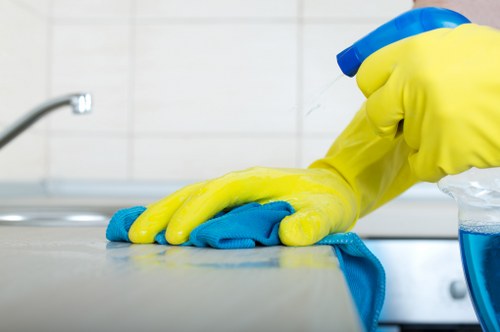
The process is usually straightforward, which is important when you are already dealing with removals, packing, forwarding mail, and handover deadlines. Once you make an enquiry, the property details are reviewed so the clean can be matched to the size, layout, and condition of the space. This helps ensure the right amount of time and attention is allocated.
On the day of the clean, the team typically arrives with suitable cleaning materials and equipment for a deep, end-of-tenancy standard clean. The cleaning is then carried out room by room so nothing important is missed. If the property is empty, the work can often proceed more efficiently. If a few items are still in place, the clean may still be possible, though full access usually makes a big difference.
After the main work is completed, attention is given to finishing touches and any agreed extras. Many customers appreciate the clarity of a structured approach, because it helps them understand what has been done and what should be checked before keys are returned. Contact us today if you want to discuss your property and arrange a suitable time.
Preparation Checklist Before the Clean
Good preparation makes the service smoother and can improve the final result. It also helps avoid delays on the day, especially in busy parts of Islington where access windows are sometimes tight and parking can be limited. A little organisation before the cleaners arrive goes a long way.
Before your appointment, it helps to:
- Remove personal belongings, documents, and valuables from the property.
- Defrost and empty the fridge and freezer if these are to be cleaned inside.
- Make sure electricity and water are available if needed for cleaning appliances and fixtures.
- Inform the cleaner about any problem areas, stubborn stains, or delicate surfaces.
- Check access arrangements for keys, entry systems, or building permissions.
- Reserve parking if the building or street requires advance planning.
For tenants in shared buildings or apartment blocks, it is also wise to consider lift access, loading restrictions, and timing around neighbour use. In many Islington locations, being ready for the cleaners to begin promptly can save useful time later in the day.
It is equally important to review your tenancy agreement or inventory expectations. Some properties have specific clauses about ovens, carpets, balcony areas, or exterior spaces. If you are unsure about what needs attention, a local cleaning provider can usually help you think through the practical priorities before the clean begins.
Pricing Factors to Consider
While exact prices are not fixed here, it helps to understand what can affect the cost of an end of tenancy clean. The most important factor is usually the size of the property. A one-bedroom flat near Angel will generally require less time than a larger townhouse-style home in Highbury or a multi-level property in Barnsbury. However, condition matters just as much as size.
Other factors can include the amount of grime in the kitchen or bathroom, whether appliances need internal cleaning, how many rooms are occupied, and whether there are extra features such as balconies, utility rooms, conservatories, or large amounts of glass. Access conditions also matter. A top-floor walk-up with difficult parking may need more planning than a ground-floor flat with easy entry.
Examples of common pricing influences:
- Property type and number of rooms
- Current condition and build-up level
- Included appliances and fixtures
- Access, parking, and lift availability
- Any additional cleaning requests beyond the standard scope
For the clearest answer, request a free quote and share the details of the property. A local company can usually give a more realistic estimate once it knows the size, layout, and scope of work involved.
Why Choose a Local Company in Islington?
Choosing a local team is often the most practical option. Local cleaners are more familiar with the variety of homes and buildings in the area, and they are usually better placed to respond to tight move-out deadlines. That matters when you are managing a tenancy end date, key return, or a same-day handover.
Another advantage is flexibility. Islington includes busy roads, residential squares, converted houses, purpose-built blocks, and mixed-use buildings. Each setting brings different access conditions. A local service is more likely to understand the realities of working around traffic, loading limits, controlled parking zones, and shared entry systems.
Why customers often prefer a local service:
- Better understanding of local property styles
- More practical planning for parking and access
- Quicker response for urgent move-out bookings
- Knowledge of common agent and landlord expectations
- Less disruption when scheduling around moving day
For many households, choosing local also means better communication and a more straightforward booking experience. When you are already dealing with a move, it helps to work with people who understand the area and the pressure of tenancy deadlines.
Areas Covered in and Around Islington
End of tenancy cleaning services in Islington are typically used across the wider borough and nearby neighbourhoods. Customers often live in or move from properties in Angel, Highbury, Holloway, Canonbury, Barnsbury, Tufnell Park, Caledonian Road, Finsbury Park edges, King’s Cross borders, and Upper Street side roads. The mix of homes in these areas means no two jobs are quite the same.
Some customers are in converted Victorian or Georgian houses with shared hallways and tall windows. Others are in newer apartment blocks with secure entry, underground parking, and managed building rules. Some are in compact studio flats where every surface is visible. Others are in larger family homes where detailed cleaning across multiple floors is essential before inventory check-out.
If you are based near transport links, business premises, or busier high streets, the logistics can be slightly more involved. A local cleaner who works regularly in the area is more likely to anticipate these issues and plan accordingly. That can be particularly useful for customers who need the clean finished between removal vans, inspection slots, and key collection times.
Residential and Commercial End of Tenancy Cleaning
Many people think of end of tenancy cleaning as something only for rented homes, but it also applies to commercial spaces. Offices, clinics, studios, consulting rooms, and small retail units can all benefit from a detailed departure clean when the lease ends or the space changes use. The principle remains the same: leave the property in a clean and orderly condition for the next occupier.
Residential cleaning usually focuses on domestic details such as limescale, kitchen grease, flooring, skirting, and general household wear. Commercial cleaning may also involve extra attention to washrooms, meeting spaces, storage zones, reception areas, and shared facilities. In both cases, an organised approach makes the process less stressful and more efficient.
For businesses in Islington, timing is often crucial. Empty units, end-of-lease deadlines, and building access schedules can all create pressure. Booking a local service helps keep the handover process on track while reducing the amount of cleaning left for staff or outgoing tenants to manage themselves.
Frequently Asked Questions
Do I need to be present during the clean?
Not usually. Many customers prefer to arrange access and then carry on with moving or other handover tasks. As long as the property can be entered safely and the arrangements are clear, the cleaning can often be completed without you being on site.
Should the property be empty before cleaning starts?
Ideally, yes. An empty property is easier to clean thoroughly and allows better access to cupboards, corners, appliances, and flooring edges. If some items remain, let the cleaner know in advance so the work can be planned properly.
Can you clean a property with difficult access or parking issues?
Yes, but it helps to provide accurate information beforehand. Islington has many streets where parking and access need to be considered carefully. The more detail you share about entry, loading, and building rules, the easier it is to organise the job.
What if the landlord has specific expectations?
That is very common. If your tenancy agreement, inventory, or managing agent has specific requirements, share them before the clean. This helps the service focus on the right areas and reduces the chance of missed details.
Is this different from regular domestic cleaning?
Yes. End of tenancy cleaning is much more detailed and is focused on inspection readiness and handover condition. It usually involves deeper work in kitchens, bathrooms, and hidden areas that are not part of a normal routine clean.
How far in advance should I book?
It is best to book as early as possible, especially near the end of the month, during student move periods, or around busy tenancy turnover dates. However, local availability can sometimes accommodate shorter notice, depending on the schedule.
Practical Tips for a Better Handover
A successful move-out is about more than just cleaning. It is also about making the process easier for everyone involved. A few small actions can help the property look and feel more presentable when the final inspection takes place.
Helpful final steps include:
- Remove rubbish and bagged waste before the clean begins.
- Take photos of the condition before and after cleaning for your own records.
- Check cupboards, drawers, and storage spaces for forgotten items.
- Look over windows, light fittings, and behind furniture areas if they are accessible.
- Arrange a final walkthrough after the service, if timing allows.
These steps do not replace a professional clean, but they support the overall handover. In a busy area like Islington, where move schedules are often compressed, small details can make the whole day feel more manageable.
Ready to Arrange Your Clean?
If you are preparing to move out of a flat, house, or business premises in Islington, a professional deep clean can take a major task off your list. It helps present the property properly, reduces the stress of handover day, and gives you confidence that the cleaning has been handled thoroughly and methodically.
From compact apartments and shared houses to larger family homes and commercial units, the needs of each property are different. That is why a local service matters. It brings practical area knowledge, flexible planning, and a cleaning approach suited to the realities of moving in and out of Islington properties.
Contact us today to discuss your property, ask about what is included, and arrange a convenient appointment. If you are ready to move forward, book your service now and make the handover process simpler from the start.
Quick reminder for customers
Clean properties are easier to hand over, easier to inspect, and easier for the next occupier to settle into. If your tenancy is ending soon, now is the right time to plan the clean properly.
Local support when it matters most
End of tenancy cleaning in Islington is especially useful when the move is happening quickly, the building access is awkward, or the property needs a careful deep clean before it changes hands. A well-organised local team can make a complicated day feel much more manageable.