Health and Safety Policy for Deep Cleaning Islington
 Deep Cleaning Islington is committed to maintaining a safe, healthy, and well-managed working environment for staff, clients, contractors, and members of the public who may be affected by our activities. This policy sets out the principles and working standards that guide every cleaning assignment, from routine sanitation to intensive deep cleaning services. We aim to prevent harm, reduce risk, and ensure that every task is completed with care, competence, and accountability.
Our approach is based on prevention first. Before any project begins, we assess the environment, identify hazards, and plan the work so that risks are controlled as far as reasonably practicable. This includes evaluating surfaces, access points, electrical equipment, ventilation, chemical storage, slip hazards, and any special conditions that may affect safe delivery. A deep cleaning company in Islington must always balance efficiency with safety, especially when using specialist equipment or working in busy occupied premises.
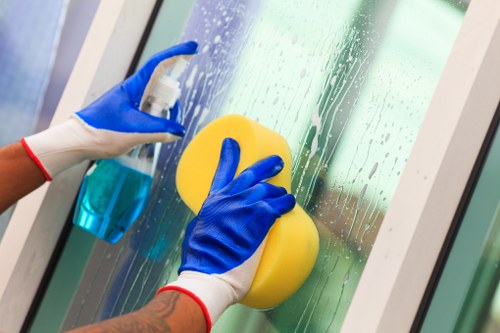 All staff are expected to follow safe systems of work at every stage. This means using correct techniques, wearing suitable personal protective equipment where required, and handling tools and substances according to training and manufacturer instructions. Employees must remain alert to changing conditions during a job and report any concern immediately. We encourage a culture in which safety is viewed as an essential part of quality, not as an optional extra.
Responsibilities and Safe Working Standards
The business has a duty to provide appropriate training, supervision, and resources so that all work can be carried out safely. Team members are responsible for cooperating with procedures, using equipment correctly, and taking reasonable care of their own health and the safety of others. Supervisors must ensure that tasks are allocated according to competence and that no one is asked to perform work beyond their training or capability. For deep cleaning in Islington, this is especially important when handling disinfectants, moving furniture, or cleaning high-risk areas.
We require all operatives to understand the risks associated with chemical products and cleaning machinery. Product labels, dilution instructions, safety data information, and storage rules must be followed exactly. Substances should never be mixed unless the manufacturer states it is safe to do so. When machinery is used, it must be checked before operation, maintained properly, and switched off before any adjustment or cleaning. This protects against electric shock, burns, cuts, and other avoidable injuries.
Health and safety also extends to the wellbeing of clients and occupants. Work areas should be clearly organised to reduce trip hazards, and warning signs should be used when floors are wet, access is restricted, or equipment is in operation.  Deep cleaning services often involve moving through kitchens, bathrooms, communal areas, and storage spaces, so good housekeeping is essential. Waste should be removed promptly, sharp items must be handled with caution, and materials must be disposed of in line with the task requirements and applicable waste controls.
Risk Control, Welfare, and Emergency Action
Risk assessments are carried out before and during work, with attention paid to the nature of the premises, the level of contamination, and any vulnerable occupants or restricted areas. Where a hazard cannot be removed completely, suitable controls are put in place. These may include isolation of work areas, additional ventilation, staggered task scheduling, or the use of specialist protective equipment. A reliable deep cleaning service in Islington must adapt to the environment rather than forcing one method onto every site.
We also recognise the importance of welfare. Staff should have access to drinking water, rest breaks where appropriate, and instruction on manual handling so that lifting and repetitive movements are completed safely. Fatigue can increase the likelihood of mistakes, so workloads must be planned sensibly. Any employee who feels unwell or notices signs of strain, irritation, dizziness, or breathing difficulty should stop work and seek support immediately.
Emergency arrangements are maintained for incidents such as spills, cuts, slips, chemical exposure, fire alarms, or suspected contamination events. Workers must know how to raise an alert, evacuate safely, and secure the area if needed. 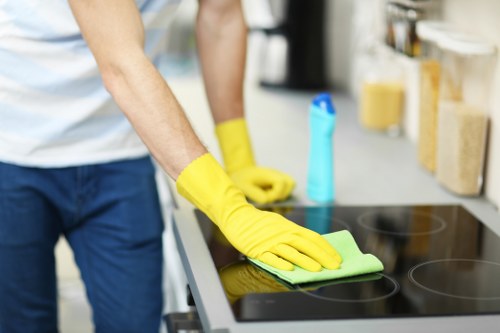 In the event of an accident, first aid support should be sought without delay, and the incident should be recorded and reviewed so that lessons can be learned. Deep cleaning Islington is delivered with the expectation that problems are reported quickly and managed calmly.
Monitoring, Review, and Continuous Improvement
Our policy is reviewed regularly to ensure it remains effective, practical, and aligned with current best practice. Changes in equipment, cleaning methods, client requirements, or risk levels are considered as part of this process. We encourage staff to contribute observations that may help improve safety measures, because people carrying out the work often notice issues first. Continuous improvement is central to maintaining high standards across every deep cleaning assignment.
Training is refreshed when necessary, particularly where new products, tools, or procedures are introduced. Records of incidents, maintenance checks, and safety actions are used to identify trends and prevent recurrence. Managers are responsible for making sure that corrective action is implemented and followed through. A strong safety culture supports reliable service, protects reputation, and helps ensure that all cleaning tasks are completed responsibly.
 Ultimately, this policy reflects our commitment to delivering deep cleaning Islington in a way that protects people, property, and the wider environment. By combining careful planning, trained staff, proper equipment, and consistent supervision, we aim to provide a service that is both effective and safe. Everyone involved is expected to support this commitment and uphold the standards set out in this document.