Islington Council Bulk Waste Rules for Cleaning Disposals: What You Need to Know Before You Book or Bin It
If you are planning a deep tidy, end-of-tenancy clean, post-renovation clear-up, or even a straightforward home reset, the disposal side can catch you out fast. The Islington Council bulk waste rules for cleaning disposals affect what can be left out, what needs booking, and what should be handled another way altogether. In practical terms, it is not just about getting rid of stuff; it is about avoiding fines, missed collections, and that annoying pile of bags sitting outside for days. Truth be told, disposal is often the part people forget until the end. This guide walks through the process in plain English, with real-world examples, sensible next steps, and a few common-sense pointers that save time and hassle.
Why Islington Council bulk waste rules for cleaning disposals Matters
Bulk waste rules matter because cleaning jobs create more than just dust and dirty cloths. A proper clean can uncover broken furniture, old rugs, damaged appliances, paint tins, packaging, or piles of unwanted clutter that suddenly need sorting. If you are not careful, the job shifts from cleaning to waste management very quickly.
In Islington, as in most London boroughs, the council expects residents to dispose of waste responsibly. That usually means separating ordinary household rubbish from bulky items, recyclables, and anything that needs special handling. Put bluntly, leaving the wrong things out with the wrong collection is one of those small mistakes that can become a bigger headache than the clean itself.
There is also a time element. A one-off clean after a renovation, for example, might produce plaster dust, broken tiles, old sealant tubs, and packaging from fixtures. A standard domestic tidy might generate old bedding, a chair that has seen better days, or a carpet offcut. The cleaner the project, the more important it becomes to plan disposal properly.
If you are arranging a professional service such as deep cleaning or end of tenancy cleaning, it helps to think ahead about waste from the very start. A bit of planning saves that awkward moment when you are standing in the hallway, looking at a stack of bags and wondering, now what?
How Islington Council bulk waste rules for cleaning disposals Works
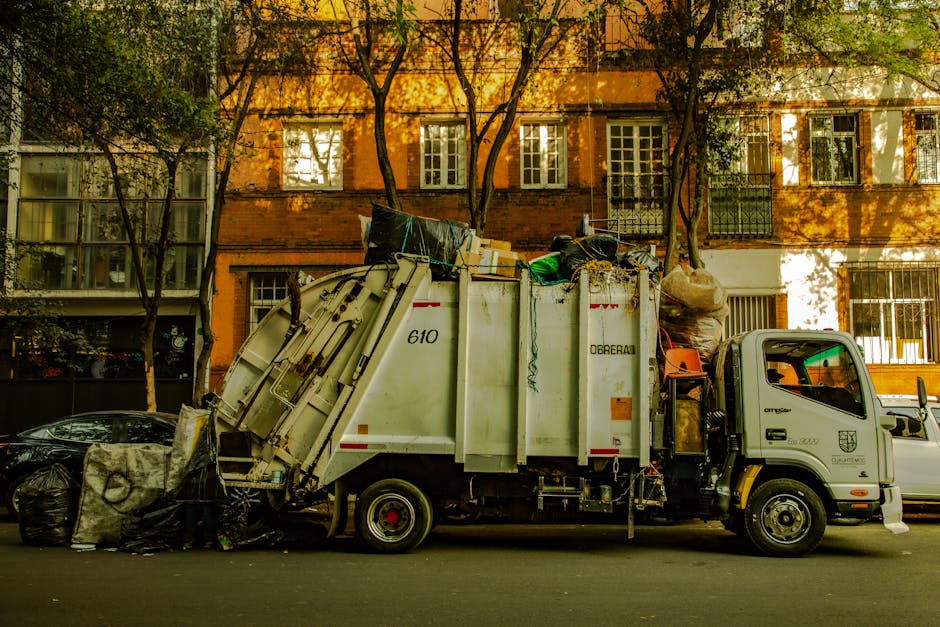
Bulk waste is generally anything too large or awkward for a normal household bin collection. That can include furniture, mattresses, large broken items, or heavy household objects left behind after a clear-out. For cleaning disposals, the important point is that not every item created by a cleaning job is treated the same way.
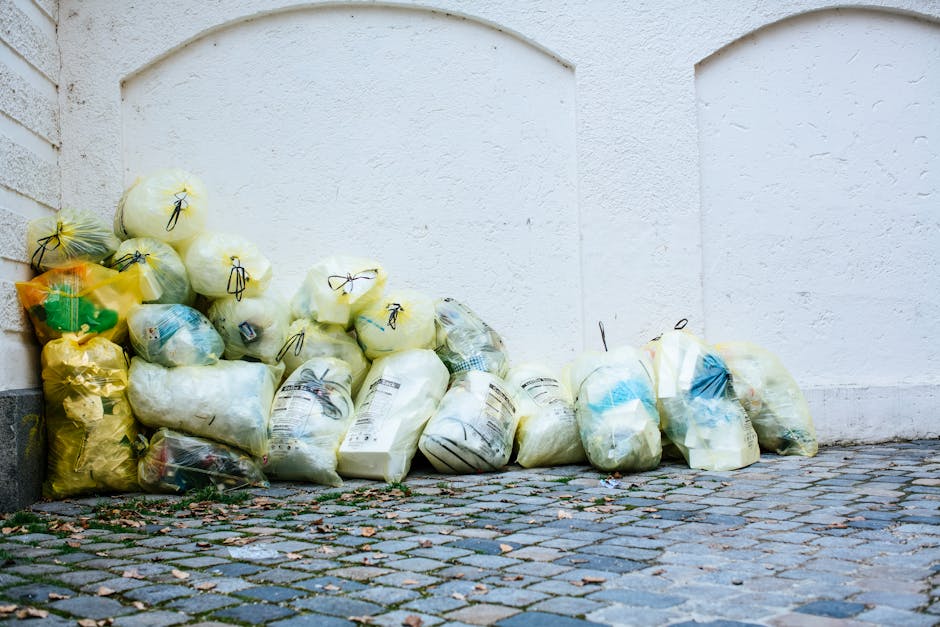
Think of it in layers. First, there is regular waste: dust, wipes, packaging, disposable cloths, and small non-hazardous rubbish. Second, there is bulky waste: items that are too large for ordinary bins. Third, there are potentially restricted materials, such as certain chemicals, sharp objects, electricals, or anything that may need special treatment. That third layer is where people often get caught out.
The council route is usually about making sure waste is presented correctly and collected through the right channel. In some cases that may mean booking a bulky waste collection; in others, residents may need to take items to a proper disposal point or use a licensed private collection service. The exact route depends on the item type and the quantity.
If you are a homeowner doing a spring clean, the process can feel pretty simple. But if you are dealing with a bigger job, such as a rental turnover or a property that has been neglected for a while, the disposal plan should be treated as part of the cleaning brief. It is not an afterthought. It is part of the job.
A sensible working approach is to separate items into these groups before the clean ends:
- ordinary rubbish and packaging
- bulky household items
- recyclable materials
- items that need special disposal
- items that should be kept and reused
That sorting step is especially useful if you are using a professional team for one-off cleaning or house cleaning, because it avoids confusion between cleaning waste and actual household clutter.
Key Benefits and Practical Advantages
Following bulk waste rules properly is not just about compliance. It makes the whole clean smoother, faster, and less stressful. To be fair, the best waste plan is the one you barely have to think about on the day.
Here are the main practical advantages:
- Less risk of missed collections because items are presented in the right way.
- Cleaner property handover for landlords, tenants, sellers, and agents.
- Better hygiene because rubbish is removed promptly instead of lingering around the property.
- More efficient cleaning as your team can focus on cleaning, not moving awkward waste around repeatedly.
- Lower stress when you know what can be disposed of locally and what needs another route.
There is also a presentation benefit. A freshly cleaned room can look undone if a mattress, broken shelving unit, or a pile of mixed bags is still in the hallway. People notice that. Especially in the last ten minutes before keys are handed back or a property is photographed.
For landlords and managing agents, a proper disposal plan supports a smoother checkout or re-letting process. For homeowners, it helps turn a clean into a reset. For offices, it keeps clutter under control and avoids waste building up in corners because everyone assumed someone else would deal with it.
If you need a service that combines cleaning with a bigger clear-out mindset, a house clearance approach is often worth considering. It is a more organised way to deal with volume, especially when the job is larger than a standard tidy-up.
Who This Is For and When It Makes Sense
These rules matter to a lot more people than you might expect. If any of the following sounds familiar, you probably need to think about bulk waste before you start scrubbing.
- Tenants who need to leave a property clean and clear.
- Landlords preparing a flat for new occupants.
- Homeowners doing a full clear-up after a long period of clutter.
- Families sorting out a spare room, loft, or understairs storage area.
- Office managers clearing broken furniture, old paperwork, or redundant equipment.
- Builders and decorators needing to remove cleaning-related debris after a project.
The rules also make sense when you are not sure what to do with a mixed pile of items. That happens all the time. A bag of cloths, an old chair, a mop bucket with broken parts, some packaging, a lamp, and a half-used cleaning product can all end up in the same corner if you are not paying attention. Then the disposal decision becomes messy.
If your job is mainly domestic, a service like domestic cleaning or home cleaners may be enough. If the property has heavier grime and more leftover rubbish, then planning disposal in advance matters even more.
And yes, sometimes the right answer is simply that the council route is not the whole answer. A larger clear-out may need a combination of sorting, recycling, and a separate waste solution. That is normal, not a failure.
Step-by-Step Guidance
Here is a practical way to approach bulk waste during a cleaning job without overcomplicating it.
- Walk the property first. Before cleaning begins, do a quick scan of what needs to stay, what can go, and what looks suspiciously large.
- Separate ordinary waste from bulky items. Put small rubbish in one place and larger items in another. Do not mix them unless you enjoy sorting things twice.
- Check for restricted items. Anything sharp, chemical, electrical, or potentially hazardous should be treated carefully.
- Decide what can be recycled. Cardboard, certain plastics, and some clean materials may be reusable or recyclable depending on condition and local rules.
- Choose the right disposal route. Council bulky waste collection, take-to-site disposal, or a private clearance option may each suit different situations.
- Time the disposal with the cleaning schedule. Ideally, waste should leave before the final detailing stage so the property can be finished properly.
- Do a final sweep. Check cupboards, corners, behind doors, and under sinks. You will be surprised what hides there.
A good working rhythm is: sort, clean, remove, detail. Not: clean, clean again, then realise the rubbish still needs dealing with. That second version is common, but not ideal.
If you are dealing with carpets, upholstery, or soft furnishings, the issue can get a bit more specific. For example, damaged or heavily soiled items may need separate disposal, while serviceable items might simply need a proper clean. In that case, a carpet cleaning, sofa cleaning, or upholstery cleaning service can reduce waste and extend the life of the item.
Expert Tips for Better Results
In our experience, the smoothest jobs are the ones where disposal is planned as if it were part of the cleaning kit. Because it is.
A few small but useful tips:
- Use clear bags where possible so contents are easier to sort at a glance.
- Keep cleaning chemicals separate from general waste until you know how they should be handled.
- Break down flat-pack furniture only if it makes handling safer and easier.
- Label piles with simple notes like "keep", "bin", "recycle", or "bulky".
- Protect communal areas if items need to move through shared hallways or stairwells.
Another tip that saves real time: schedule disposal before the final polish. If waste removal happens after the property has been fully cleaned, you can end up dragging dirt back in. Nobody wants that. It is one of those tiny frustrations that make a big difference.
For commercial spaces, pairing waste removal with office cleaning or office cleaners can keep the worksite usable while clutter is reduced. In a home, the same principle applies with cleaners or a trusted cleaning company who understands how to work around disposal needs.
One more thing. Do not assume all "cleaning rubbish" is harmless. Old cleaning products, broken glass, and contaminated cloths can create more risk than they look like at first glance. Little warning sign, big bother.
Common Mistakes to Avoid
Most disposal problems come from a few predictable mistakes. The good news? They are easy to avoid once you know what to watch for.
- Leaving everything in one pile and hoping it sorts itself out later.
- Putting bulky items out without checking the right collection route.
- Mixing regular waste with special waste such as chemicals or electrical items.
- Forgetting about timing and arranging removal after the final clean.
- Ignoring access issues like narrow stairways, parking restrictions, or shared entrances.
- Assuming one solution fits everything. It rarely does.
A common example: someone deep cleans a flat, fills five bags, adds an old lamp and a broken chair, then discovers that the collection plan they had in mind does not cover mixed bulky waste. Now they are stuck with bags by the door and a growing sense of annoyance. Happens more often than people admit.
If the property needs a bigger reset after renovation dust and packaging, pairing the clean with after builders cleaning can help you catch debris early and avoid letting the mess spread.
Tools, Resources and Recommendations
You do not need fancy equipment to manage bulk waste sensibly, but a few simple tools make the process much easier.
| Tool or resource | What it helps with | Why it matters |
|---|---|---|
| Strong bin bags | Small waste and cleaning debris | Reduces tears and leaks during handling |
| Labels or markers | Sorting piles | Makes the disposal stage faster |
| Gloves and basic protective gear | Handling sharp or dirty items | Supports safer handling |
| Cardboard boxes or crates | Loose items and recyclables | Keeps smaller pieces together |
| Service plan or waste checklist | Scheduling disposal | Prevents last-minute confusion |
When choosing help, look for a provider that is clear about what they can and cannot remove, how they handle waste, and how they manage safety. If you need a quote for a combined clean and disposal-minded job, a page like pricing and quotes is the sensible place to start. And if you want to understand how a provider approaches safety and care, their insurance and safety information is worth checking too.
For people who care about reuse and responsible disposal, it is also helpful to read about recycling and sustainability. That way, the clean does not just look better; it leaves a lighter footprint as well.
Law, Compliance, Standards, or Best Practice
Without overcomplicating it, the key compliance point is simple: waste must be handled responsibly, and you should not place items out for collection in a way that breaches local rules or creates a nuisance. For cleaning disposals, that means sorting carefully, following the correct presentation rules, and using an appropriate route for anything bulky or unusual.
It is also good practice to avoid leaving waste in shared spaces, blocking access, or exposing neighbours and passers-by to hazards. In London, that matters a lot because streets are tight, communal entrances are common, and one misplaced pile can quickly become everyone's problem.
For professional cleaners, best practice usually includes:
- clear scope of work before the job starts
- separation of cleaning waste from bulky items
- safe handling of potentially sharp or contaminated materials
- respect for communal areas and access routes
- transparent limits on what will be removed
For customers, the best practice is equally straightforward: ask questions early. What is being removed? What stays? What needs separate collection? A few calm questions up front can save a lot of back-and-forth later.
If you are reviewing a provider, it can also help to understand their terms and service boundaries. Pages such as terms and conditions and privacy policy may not sound exciting, but they often tell you how the company works in the real world.
Options, Methods, or Comparison Table
There is no single disposal method that fits every cleaning job. The right choice depends on volume, item type, access, time pressure, and how much sorting you are willing to do yourself. Here is a simple comparison.
| Option | Best for | Pros | Watch out for |
|---|---|---|---|
| Standard household waste disposal | Small bags and routine rubbish | Simple and familiar | Not suitable for bulky items |
| Bulky waste collection | Large household items | Clear route for bigger objects | Needs proper booking and presentation |
| Reuse, donate, or repurpose | Usable furniture or items in decent condition | Less waste, more value kept in circulation | Only works if the item is genuinely usable |
| Professional clearance support | Larger or mixed jobs | Less stress, more coordination | Choose carefully and be clear about scope |
If the job is mostly about a cluttered home after a long stretch of neglect, house cleaning plus clearance planning may be enough. If it is a workplace, then cleaner support or office cleaning can help restore order while you decide what to keep and what to remove.
Case Study or Real-World Example
Imagine a small Islington flat at the end of a tenancy. The tenant has already packed most belongings, but there is still a broken bedside table, a collapsed shoe rack, a worn rug, several bags of mixed rubbish, and a half-empty box of old cleaning bits under the sink. Not a disaster. Just one of those slightly scruffy end-of-tenancy situations that feels bigger than it is.
The best approach in that case would be to sort the items first. The rug might be kept if it can be cleaned; the bedside table and shoe rack are bulky waste; the mixed bags need normal disposal; the old cleaning product should be checked separately. Once sorted, the final clean can happen without waste getting in the way, and the property looks properly ready for handover.
Now compare that with a small office clear-out. You might have broken chairs, packaging from replacement equipment, dust, and discarded paperwork. Here, the task is less about domestic rubbish and more about staging the space properly before it is cleaned. The solution might be a combination of office cleaners and a more structured disposal plan. Different setting, same basic principle: sort first, remove in the right order, and keep the final finish clean.
These are not dramatic stories, just the everyday realities of cleaning work. And honestly, they are the jobs where a little organisation pays for itself.
Practical Checklist
Use this checklist before, during, or after a cleaning job that may create bulk waste.
- Have I identified all bulky items in the property?
- Have I separated normal rubbish from larger waste?
- Do any items need special handling because they are sharp, chemical-based, or electrical?
- Do I know which items can be recycled or reused?
- Is the disposal route clear before the final clean begins?
- Are hallways, entrances, and shared spaces protected?
- Have I checked any relevant service terms or limits?
- Do I have the right bags, boxes, gloves, or labels?
- Is there a final sweep planned before handover or photos?
- Have I avoided mixing general cleaning debris with bulky waste?
If you can tick most of those off, you are already ahead of the curve. Not perfect. Just well prepared, which is usually more useful anyway.
Get a free quote today and see how much you can save.
Conclusion
Getting to grips with the Islington Council bulk waste rules for cleaning disposals is one of those practical jobs that makes everything else go more smoothly. Once you understand the difference between everyday rubbish, bulky items, and anything that needs special handling, the whole process becomes much easier to manage.
The real win is not just compliance. It is calm. A clean property with a clear disposal plan feels finished, not half-done. That matters whether you are handing back keys, preparing a home for guests, getting an office ready for work, or just reclaiming a bit of order after things got away from you. And let's face it, that sense of reset is worth quite a lot.
If you want to build a more organised cleaning routine, support from a trusted about us page can help you understand who is doing the work, while a service like one-off cleaning can fit neatly around a disposal plan. Small steps, sensible choices, less mess.
That is usually how the best jobs get done: one sorted pile at a time, one sensible decision at a time.
Frequently Asked Questions
What counts as bulk waste for cleaning disposals in Islington?
Bulk waste usually means items too large for a normal household bin, such as furniture, mattresses, broken storage units, or other awkward household items found during a clean.
Can I leave bulky items out with my regular rubbish?
Usually not. Bulky items often need a separate collection route or another approved disposal method. Leaving them out with normal waste can cause the collection to be missed.
What should I do with old cleaning chemicals?
Do not mix them with general rubbish unless you are sure they are safe to do so. Cleaning chemicals can need special handling, so keep them separate and check the safest route before disposal.
Do I need to sort waste before booking a cleaning service?
It helps a lot. Sorting early makes it easier to identify what can be cleaned, what can be kept, and what should go as bulky waste or recycling.
Is it better to clean first or remove waste first?
For most jobs, a quick sort first is best, then disposal, then final cleaning. That avoids dragging dirt around or cleaning areas that will be disturbed later.
What if I only have a few large items?
If the items are bulky enough, they may still need a separate disposal route even if there are only one or two of them. Size and type matter more than quantity in many cases.
Can a cleaning company deal with bulk waste too?
Some can help with the process, but you should always confirm exactly what is included. A cleaning company may handle cleaning and sorting, while the disposal itself may need a separate arrangement.
How do I prepare a flat for an end-of-tenancy clean with bulk waste involved?
Remove personal belongings first, separate any bulky items, check for recyclables, and make sure the final cleaning team knows what is staying and what is going.
What happens if waste is left in communal areas?
That can cause access problems, safety issues, and complaints from neighbours or building managers. It is better to keep waste contained and move it only through the proper route.
Is recycling always possible for cleaning waste?
Not always. Some materials can be recycled, but dirty, mixed, or contaminated items may not be suitable. Check each item realistically rather than assuming everything can be recycled.
Can I use a house clearance service for cleaning disposals?
Yes, if the job is large enough or mixed with clutter. A house clearance approach can be very useful when a standard bin route is not enough.
How do I avoid missing something important during disposal?
Do one final sweep of cupboards, under sinks, behind doors, and storage corners. A calm second look often catches the one item everyone forgot. It happens all the time.
Where should I start if I want help with the full job?
Start by identifying the type of cleaning you need, then check service details, safety information, and pricing. A clear brief makes everything easier and tends to produce a better result.